
Why Dayton Homeowners Choose DW Basement Waterproofing for Reliable Basement Protection
A dry, stable basement starts with knowing why water is getting in and using the right fixes for Dayton homes. This guide walks through the common causes of basement water — soil type, hydrostatic pressure, local rainfall — and the practical solutions that work here: interior drains, exterior drains, sump pumps, encapsulation, and crack repair. After mapping problems to solutions, we explain service options, typical cost ranges, financing choices, warranty basics, and the simple steps to get a free estimate. We highlight Dayton-specific issues like clay soil behavior so homeowners can pick durable, long-term waterproofing approaches.
DW Basement Waterproofing pairs local experience with practical, no-nonsense service for Dayton properties. Our focus is straightforward: deliver reliable basement waterproofing in Dayton that protects homes and homeowners. That means careful inspections, clear options, and helpful incentives like free estimates and payment plans. When homeowners understand the mechanics behind their basement issues, they can better compare proposals and warranties — and choose lasting solutions instead of temporary fixes.
Why DW Basement Waterproofing Is the Right Choice for Dayton Homeowners
Choosing a contractor comes down to trust: qualifications, experience, guarantees, and financing all matter. A dependable waterproofing company uses licensed crews, clear diagnostics, and solutions matched to local soil and weather conditions to deliver predictable results. Below are the practical reasons Dayton homeowners put their trust in a provider — the things that turn concern into confidence.
- More than 20 years of experience handling regional basement and foundation issues shaped by Dayton’s soils and rainfall.
- Ohio-licensed and insured status to protect homeowners through compliance and liability coverage.
- Free estimates and flexible payment plans that make necessary repairs easier to start.
These factors tie technical skill to consumer protections. Experience and proper licensing lead to better diagnoses, clearer proposals, and more reliable outcomes.
How Over 20 Years of Experience Benefits Dayton Customers
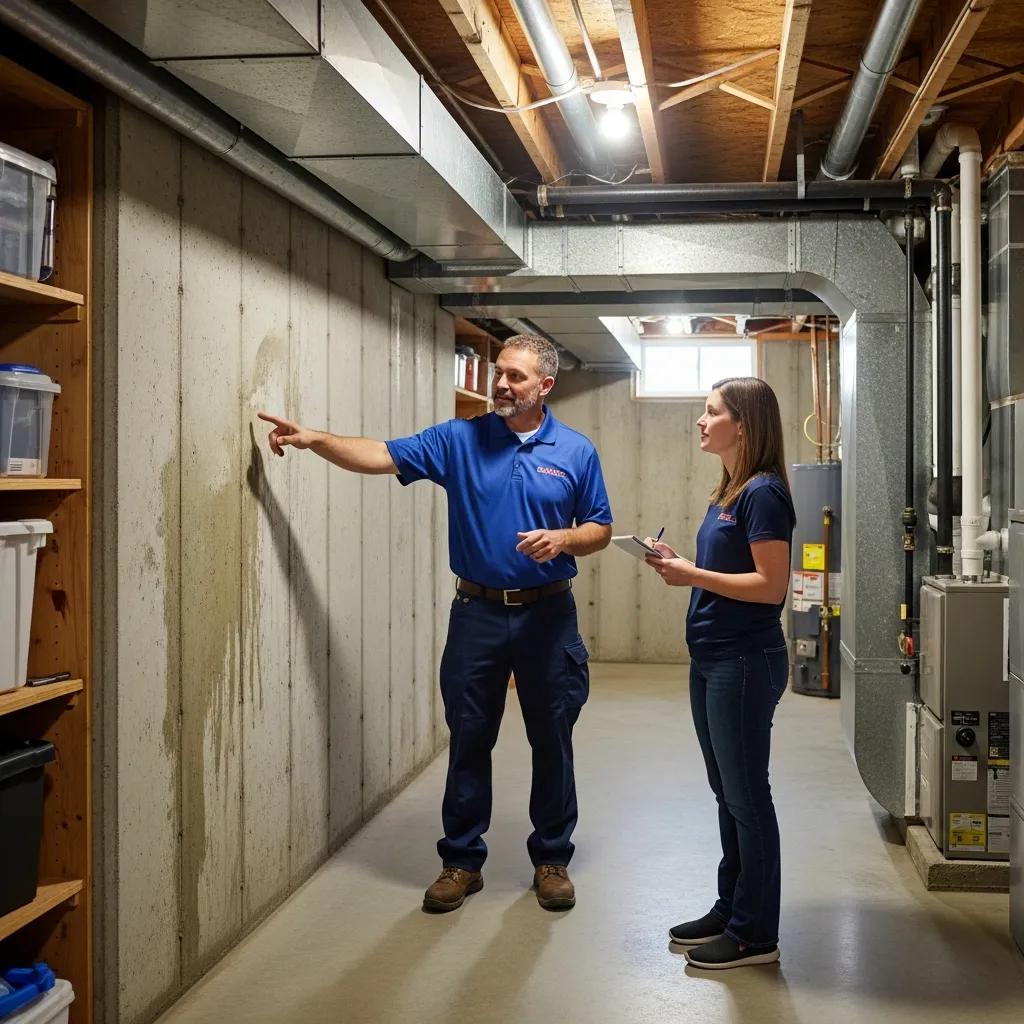
Experience speeds up accurate diagnosis and helps crews pick the right method for recurring local problems. Technicians who have seen hundreds of Dayton cases recognize patterns — how clay soil shifts or seasonal groundwater spikes show up as certain crack types or seepage patterns — and choose interior or exterior systems accordingly. That practical knowledge reduces unnecessary work and prioritizes repairs that fix root causes, lowering the chance of callbacks. Experienced teams focus on solutions that balance cost, longevity, and ease of maintenance.
Experience also improves communication and planning. When crews anticipate issues like limited exterior access or buried utilities, they present contingencies up front. That preparation reduces schedule surprises and helps homeowners plan budgets and financing.
Why Ohio Licensing and Insurance Matter for Dayton Basement Work
Licensing and insurance are more than paperwork — they protect homeowners during and after a project. Licensing shows compliance with state standards and often requires contractors to follow certain procedures; insurance covers accidental damage or jobsite incidents, limiting financial risk to the homeowner. When a provider is licensed and insured, permits and code requirements are handled properly, reducing the chance of municipal problems.
Licensed crews tend to use documented procedures and quality checks, which makes proposals and warranty promises easier to evaluate and enforces clearer post-installation maintenance guidance for homeowners.
Which Basement Waterproofing Services Does DW Offer in Dayton?
Waterproofing covers a range of services tailored to the underlying failure: sealing and reinforcing cracks, managing groundwater with interior or exterior drains, and reducing moisture in crawl spaces and basements with encapsulation and mechanical systems. Matching each service to the cause — hydrostatic pressure, soil infiltration, poor drainage, or foundation movement — yields targeted, cost-effective repairs.
Our service set reflects a practical goal: deliver reliable basement waterproofing in Dayton using the right combination of structural repair and moisture control. The table below explains when each option is commonly used and how long homeowners can expect results to last.
This table helps homeowners link symptoms to services and ask focused questions during estimates. Comparing scope and expected longevity makes it easier to judge proposals beyond price alone.
How Crack and Foundation Repairs Protect Dayton Homes
Cracks form from lateral soil pressure, freeze-thaw cycles, and clay soil swelling — and left alone they let water in and can lead to structural decline. Repairs range from seals and epoxy injections for non-structural leaks to structural reinforcement for active movement. The right choice follows a diagnosis determining whether a crack is active, the foundation is settling, or hydrostatic pressure is the main issue. Proper repair restores a continuous barrier to water and reduces stress points that cause further damage, protecting finishes and preventing mold.
Picking the correct repair requires linking visible signs — stair-step cracks, horizontal bowing, hairline seepage — to likely causes so interventions stop the causal chain. Accurate diagnosis avoids needless invasive work and improves long-term outcomes.
Benefits of Crawl Space Encapsulation and Sump Pump Installation
Encapsulation reduces ground moisture entry, stabilizes humidity, and can improve energy efficiency by creating a controlled boundary between living space and the soil. Typical encapsulation includes a vapor barrier and sealed vents; paired with dehumidification or drainage, it reduces conditions that lead to mold and wood rot. Sump pumps remove collected groundwater, relieve hydrostatic pressure, and prevent ponding that undermines foundations and causes basement seepage.
Together, encapsulation and a reliable sump system improve indoor air quality, reduce HVAC strain, and cut long-term maintenance costs. Homeowners gain healthier, usable space and avoid costly remediation when moisture is controlled proactively.
How DW Tailors Waterproofing to Dayton’s Conditions
Dayton’s clay-heavy soils, seasonal precipitation, and changing water table levels determine how water contacts foundations. Understanding soil swell, hydrostatic pressure, and capillary action helps us design systems that relieve pressure and divert groundwater before it breaches walls or floors. We match symptoms to interventions — interior drainage for seepage, exterior systems for through-wall saturation, and structural repairs when movement is present.
Our geotechnical focus emphasizes long-term pressure relief and moisture control over cosmetic fixes. When homeowners understand local soil and weather stresses, they can judge proposals by technical fit instead of empty claims, which makes cost and warranty conversations more productive.
Basement Problems Caused by Clay Soil and Heavy Rain in Dayton
Clay expands when wet and shrinks when dry, creating cyclical lateral pressure on foundation walls that can cause cracks, bowing, and misaligned doors or windows. Heavy rain and a rising water table increase hydrostatic pressure against walls and floors, pushing water through tiny cracks and joints. These processes show up as damp walls, efflorescence, musty smells, and visible seepage during storms.
Noticing these signs early lets homeowners prioritize fixes that relieve pressure and improve drainage instead of repeatedly treating symptoms. That early diagnosis drives decisions about interior vs. exterior systems and affects cost, disruption, and long-term durability.
How Our Solutions Fight Hydrostatic Pressure and Mold
Effective waterproofing breaks the cause→effect chain: intercept groundwater, reduce lateral pressure, and control interior humidity to keep mold from taking hold. Interior drainage channels water to a sump where a pump ejects it from the site, lowering wall pressure. Exterior drains and membranes stop water before it reaches the foundation wall, while encapsulation and dehumidification keep humidity low enough to discourage mold.
Regular maintenance — test your sump, service dehumidifiers, schedule seasonal checks — keeps systems performing and cuts the chance of mold returning. Those simple steps are part of a practical strategy to keep basements dry and healthy long term.
Typical Dayton Basement Waterproofing Costs and Payment Options
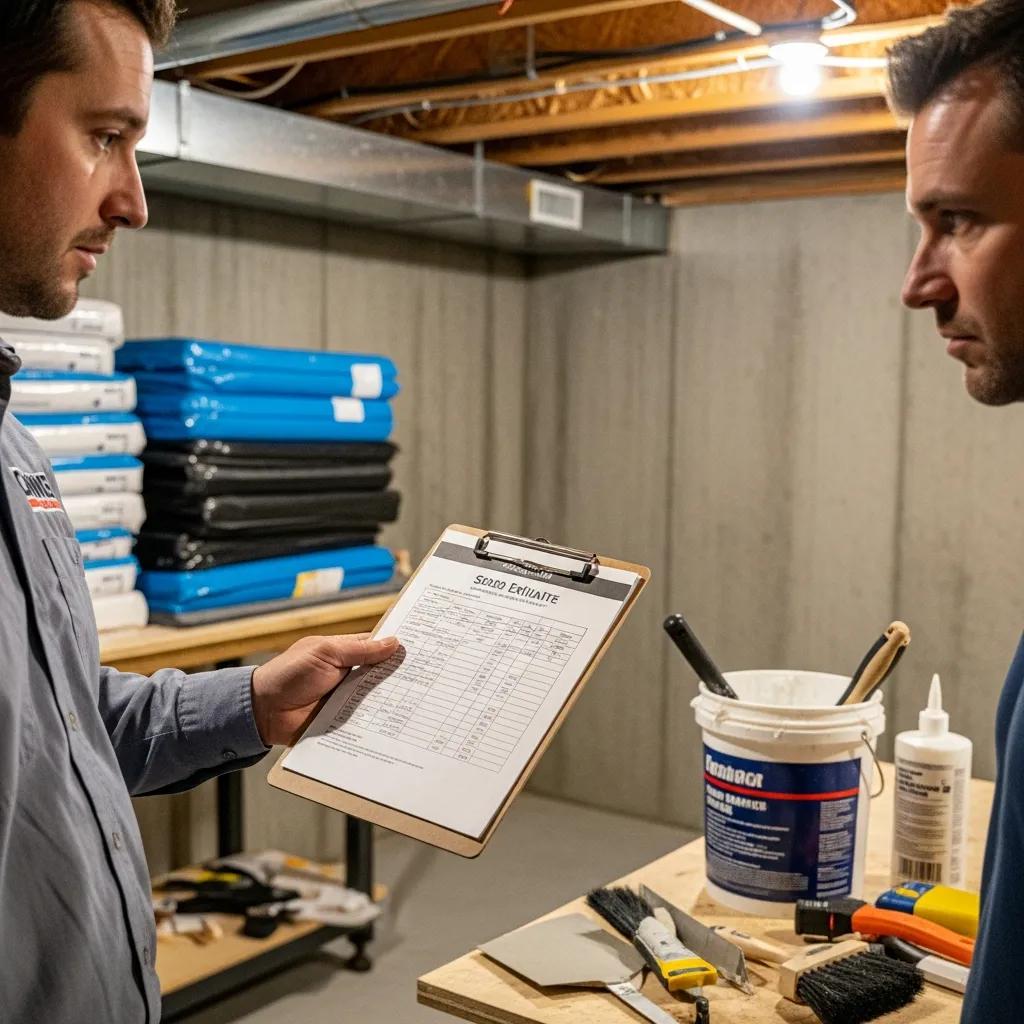
Cost depends on system type, project complexity, and foundation condition. Interior systems are often less invasive than full exterior excavation, but each has its place depending on the root cause. Prices vary with accessibility, scope, and whether structural repairs are needed alongside waterproofing. Expect a transparent estimate that lists components, anticipated lifespan, and maintenance so you can weigh short-term cost against long-term protection.
DW Basement Waterproofing provides free estimates and flexible payment plans to help homeowners move from diagnosis to action. Our goal is to deliver reliable basement waterproofing in Dayton while giving clear options that fit budgets and risk tolerance.
This comparison shows interior systems are often the most cost-effective fix for many seepage problems, while exterior systems handle through-wall saturation or severe hydrostatic pressure. Always request an itemized estimate to see how each line item affects cost and expected lifespan.
What Drives Basement Waterproofing Prices in Dayton?
Key cost drivers include choosing interior vs. exterior systems, basement square footage and finish level, access constraints, and whether foundation repair is required. Labor intensity and material quality also affect the price — working around finished interiors or complex landscaping increases complexity. A thorough assessment of drainage paths, existing sump conditions, and structural issues is necessary for an accurate quote.
Knowing these drivers helps homeowners prioritize interventions and find cost-saving choices, such as targeted repairs when appropriate or upgrades that make future maintenance easier.
How Flexible Payment Plans Make Waterproofing More Affordable
Payment plans let homeowners spread costs over time so urgent moisture issues don’t turn into expensive structural or mold remediation later. Typical financing includes low-monthly payment options or installment terms that match household budgets and project timelines. These choices make essential waterproofing accessible and help preserve home value by preventing deferred maintenance.
Compare plan terms, total interest or fees, and repayment timelines during the free estimate to choose the best fit for your cash flow while ensuring the work gets done promptly.
Warranty and Customer Satisfaction Guarantees from DW Basement Waterproofing
Warranties and workmanship guarantees reduce buyer risk by spelling out what’s covered after installation and what maintenance the homeowner must perform. Common warranty elements include coverage for workmanship and parts and whether coverage transfers with a property sale; specifics vary by system and should be provided in writing. Clear warranty terms and easy access to customer service build homeowner confidence and support follow-up inspections or service.
Ask for full warranty language during the free estimate so you can compare coverage length, scope, and conditions. Written documentation minimizes post-installation disputes and clarifies owner responsibilities for maintenance that keeps coverage valid.
Details on Warranty Coverage and Duration
Warranty specifics vary by system and components, but expect separate assurances for workmanship and manufactured parts like pumps. Workmanship warranties cover installation defects; manufacturer warranties cover equipment failures. Durations and transferability differ, so review written warranty language during the free estimate and keep a copy for your records.
Getting explicit warranty terms before work begins protects both sides and clarifies any routine maintenance needed to maintain coverage. That approach reduces surprises and supports long-term satisfaction.
What Customer Testimonials Say About Our Work
Customer feedback usually highlights timeliness, clear communication, a clean worksite, and whether the original problem was resolved — practical signals of quality workmanship. Reviews often point to effective problem resolution, on-time completion, and helpful follow-up support. Reading several accounts helps confirm consistent performance rather than isolated successes.
Look for comments about repair durability and responsiveness to follow-up questions when evaluating providers; these points tie directly to warranty practices and post-installation support.
How to Get a Free Estimate and Start Your Waterproofing Project
Getting started is simple: schedule an inspection, receive a diagnostic assessment, review a detailed quote, and schedule the work. The inspection documents symptoms, drainage patterns, and foundation conditions so we can recommend targeted options. A clear quote explains system choices, expected outcomes, maintenance needs, and warranty details to help you decide with confidence.
- Schedule an inspection: Give basic property details and preferred times so a qualified technician can visit.
- Receive a diagnostic assessment: The technician documents symptoms, measurements, and recommends solutions with pros and cons.
- Review a detailed quote: The written proposal includes scope, timeline, and warranty summaries to help compare options.
- Schedule the work: Confirm start dates, access needs, and payment arrangements before work begins.
These steps make taking action straightforward and help avoid the higher costs of delay. Acting early preserves home value and prevents moisture problems from becoming structural or mold issues.
Step-by-Step: Scheduling a Free Basement Waterproofing Estimate
Start by gathering basic details about your basement: when leaks happen, prior repairs, finished areas, and visible signs like efflorescence or cracks. During the visit, the inspector evaluates exterior grading, existing sump systems, wall and floor conditions, and interior moisture indicators to diagnose the main causes. The inspection usually ends with an explanation of recommended options and a timeline for delivering your written estimate.
Sending photos or documentation before the visit can speed diagnosis and help the estimator prepare targeted proposals. That preparation leads to a faster, more focused inspection and estimate.
Why Early Waterproofing Protects Your Dayton Property
Addressing moisture early prevents small issues from becoming structural problems needing costly foundation repairs or mold remediation. Fixing leaks promptly reduces the cumulative effects of hydrostatic pressure and soil movement that worsen over time. Early work preserves usable living space, protects indoor air quality, and keeps resale value by preventing visible and hidden deterioration.
Proactive waterproofing is an investment that avoids escalating costs and keeps your home safe and market-ready. That’s why prompt inspection and clear financing options are practical next steps. Delivering reliable basement waterproofing in Dayton is our central goal when recommending timely, targeted work.
Frequently Asked Questions
Conclusion
Choosing DW Basement Waterproofing means Dayton homeowners get solutions built for local conditions — practical, durable, and focused on protecting property value. Our commitment to quality workmanship, clear pricing, and flexible financing helps homeowners make informed choices about their basement’s health. Understand the soil and weather challenges, pick the right system, and start with a free estimate to move toward a dry, secure basement. Contact us today to schedule your inspection.